
Master the Market
Master the Market: How to Value, Buy, and Sell Cards Smart

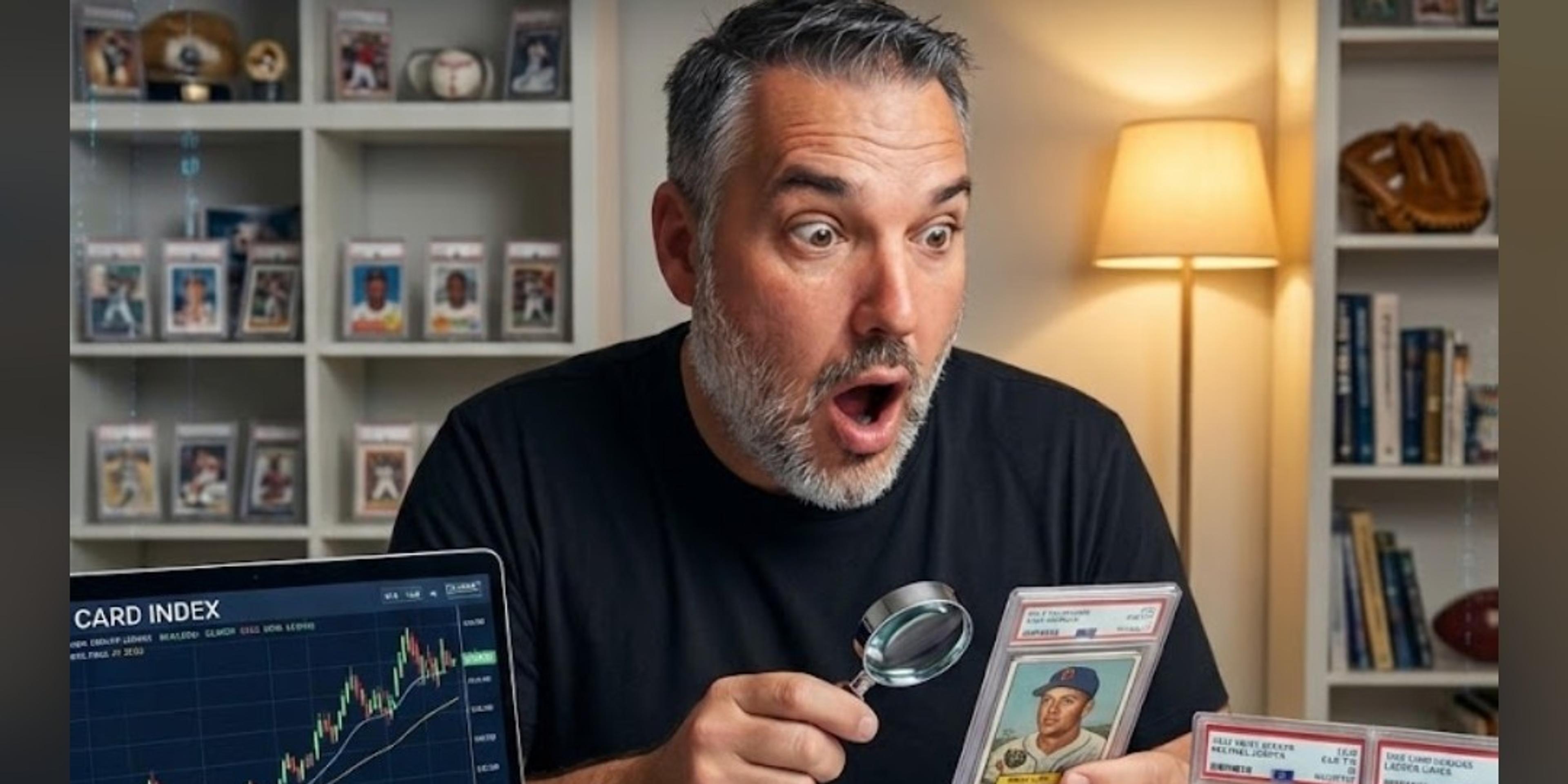
Master the Market: How to Value, Buy, and Sell Cards Smart
Hey V-dub’s family, here another Blog of the week!
Whether you are hunting for your favorite Sports Trading Card, Pokémon, chasing a hot sports rookie, or trying to run your own card business, we are all part of the same amazing trading card community.
Today, let’s talk about how card prices actually work. We will look at how to use price comparisons (comps), where to buy your cards, and why vendors price things the way they do. Our goal at V-dub’s is to help you buy smart, protect your wallet, and keep the hobby fun!
Part 1: The Truth About "Comps" (Price Comparisons)
When you want to know what a card is worth, you look at "comps" on websites like eBay (sold listings), 130 Point, Card Ladder, or Market Movers. But comps are just a guide, not a perfect rule. Here is the breakdown:
The Buyer Rules the Market: A seller can ask for a million dollars for a $5 card, but it is only worth what someone actually pays.
The "Steal" Twist: Imagine a card is normally worth $1,000, but a seller accepts a quick $500 offer. Guess what? That $500 becomes the newest registered comp! Your amazing deal actually turns against you the second the comp site registers the sale, making the card look less valuable on paper.
Look at the Last 3, 5, or 10 Sales: Don't just look at the very last sale. Look at a larger group of recent sales to find the real average.
Check the Sale Dates: If the last sale was from a year ago, ask yourself why. Is the player hot right now, and nobody wants to sell? Or are they not popular anymore? Sometimes, a card is so popular that collectors are keeping them locked away. This creates limited availability, causing an influx in price. The market always determines the value!
Beware of "One-Offs": Let’s look at an example. If you see three recent sales like $100, $100, and $500, does that mean the $500 is the new comp? Or should you average them out ($100 + $100 + $500 = $700 / 3 = $233)? This is what we call a one-off. It usually means someone made a private deal that didn't register right, or a buyer just really wanted that specific card and overpaid. The true market range is still closer to $100. Be aware of this so you don't get manipulated! If you buy that $500 card, you might accidentally reestablish a high comp that isn't realistic or is it (?). Use comps as a guideline, stay within your budget, and have fun.
Part 2: Buying Online vs. Offline
Where you buy your cards changes your hidden costs and the experience. Let’s break down your options:
1. Large Platforms (eBay)
For Collectors: You get huge variety and buyer security if a package is lost. However, online prices can feel higher because of hidden costs. You go to your cart to check out, only to see taxes and shipping costs added, making it more expensive than you first thought.
For Vendors: Sellers have to cover their time spent posting the item, plus platform fees (like eBay's 13% to 15% take rate), payment processing fees, and other overhead.
2. Ripping Packs vs. Buying Singles
The Thrill: Opening boxes is incredibly fun and gives you the rush of pulling a massive "hit."
The Reality: In the long run, ripping packs costs way more money than just going onto eBay and buying the exact card you want from their endless inventory. And don’t forget that you will be left with a possible large amount of extra cards you do not want. However when Building a set the Box rip is perfect as You will get a large volume of cards that is needed to build the set completion (think about the Master Set for Pokemon)
3. Chatrooms & Social Media (Instagram, Facebook, WhatsApp)
Peer-to-Peer: You are dealing directly with other collectors. They usually want to sell unwanted cards at a good price just to get quick cashflow so they can upgrade to a bigger card.
Direct Businesses: You will also find professional vendors here. To survive, companies usually calculate 65% to 80% margins on their inventory. This ensures they cover additional costs like employee wages, website upkeep, stock management, and travel costs.
4. Live Auctions & Whatnot
Platforms like Whatnot offer fast-paced auctions and "breaks" (where you buy a slot or team in a box opening, and you get sent every card pulled for that team). It gives you the thrill of ripping packs for less money than buying the whole box yourself, but remember—it is still a gamble!
5. Card Shows, Trade Nights, and Local Shops (Brick & Mortar)
The Perks: You can bundle multiple cards together and negotiate a deal face-to-face. This is a huge advantage because you completely avoid shipping fees, taxes, and custom fees!
The Costs: You might run into an entry fee or registration cost just to get into the show. Local shops also have higher prices. Why? Because the shop owner takes all the risk. They have to pay for the store rent, employees, display cases, security, and a huge inventory for you to look through. That extra service costs a premium!
The Blind Spot: Face-to-face cash deals at shows and shops never get recorded on comp websites. This is why at V-dub's we always say comps are just a starting point, not a 100% foolproof system.
Part 3: The Vendor’s Standpoint (Why the Premium?)
Think of buying a trading card like buying a soda. If you buy a soda at the grocery store, you might pay a standard price. If you buy that same soda from a vendor at the Super Bowl, you easily pay a 3x premium (a 200% markup) because of the convenience, venue costs, and event risk.
Sellers have to calculate their purchase costs and fees (table rental at shows) to protect their income. Rarity, card condition, and vintage status will always drive the price up. Understanding this balance will help you find the best deals!
Part 4: Timing the Sports Seasons (When to Buy vs. When to Sell)
If you collect sports cards, understanding the sports calendar is your ultimate superpower. Card prices rise and fall in predictable waves based on the season. If you time it right, you can save a ton of cash as a collector, or maximize your profits as a vendor. Here is the sports season playbook:
- The Hype Phase (Pre-Season to Week 1): This is usually the worst time to buy. Right before the season kicks off, hype is at an all-time high. Everyone is excited, and prices skyrocket. Vendors love this phase because demand is huge, but as a collector, you are paying a massive premium.
- The Live-Action Spike (During the Season): Prices fluctuate wildly week-to-week based on real-time performance. If a quarterback throws 4 touchdowns on Sunday night, his card prices might spike 50% to 100% by Monday morning. If you own that player and want to cash out, this is your moment to sell! But if you are trying to buy, don't chase the hype—wait for the market to cool down.
- The "Dead Zone" (The Off-Season): This is the golden window for buyers. A few months after the championship ends, casual fans lose interest and move on to other sports. When nobody is talking about a sport, card prices often drop by 20% to 40%. Buying football cards in July or basketball cards in August is how you find the absolute best deals.
V-dub’s Insider Tip: Buy your cards when the sport is out of season and out of mind. Hold onto them, and if you ever decide to sell, wait until that player is trending or the new season is about to start. Patience pays off!
V-dub's Final Advice: Hunt with a Goal - The card market shifts fast. Prices can skyrocket or crash in a single week based on live events or season changes. It is what makes this hobby so exciting!
Our best advice at V-dub's is to buy smart and buy what you like. Find your niche, find that card or set that means something to you, and set a strict budget. Having a clear goal keeps you from getting lost in the overwhelming shows hosted around the world.
If you really want a card, don't hesitate to pay an extra premium to ensure you get it. Just use your comp data to the best of your ability so you know a $100 card shouldn't be $10,000 (a 10x overcharge)… unless the demand and market moves swiftly (timing is the Key)
Let comps give you a good starting line for negotiation, have fun with your friends and family, and make that deal!
Keep hunting!
V-Dub's Cards
Trading Card Expert
Passionate about trading cards and collectibles. Based in the Netherlands, shipping across the EU.
More articles
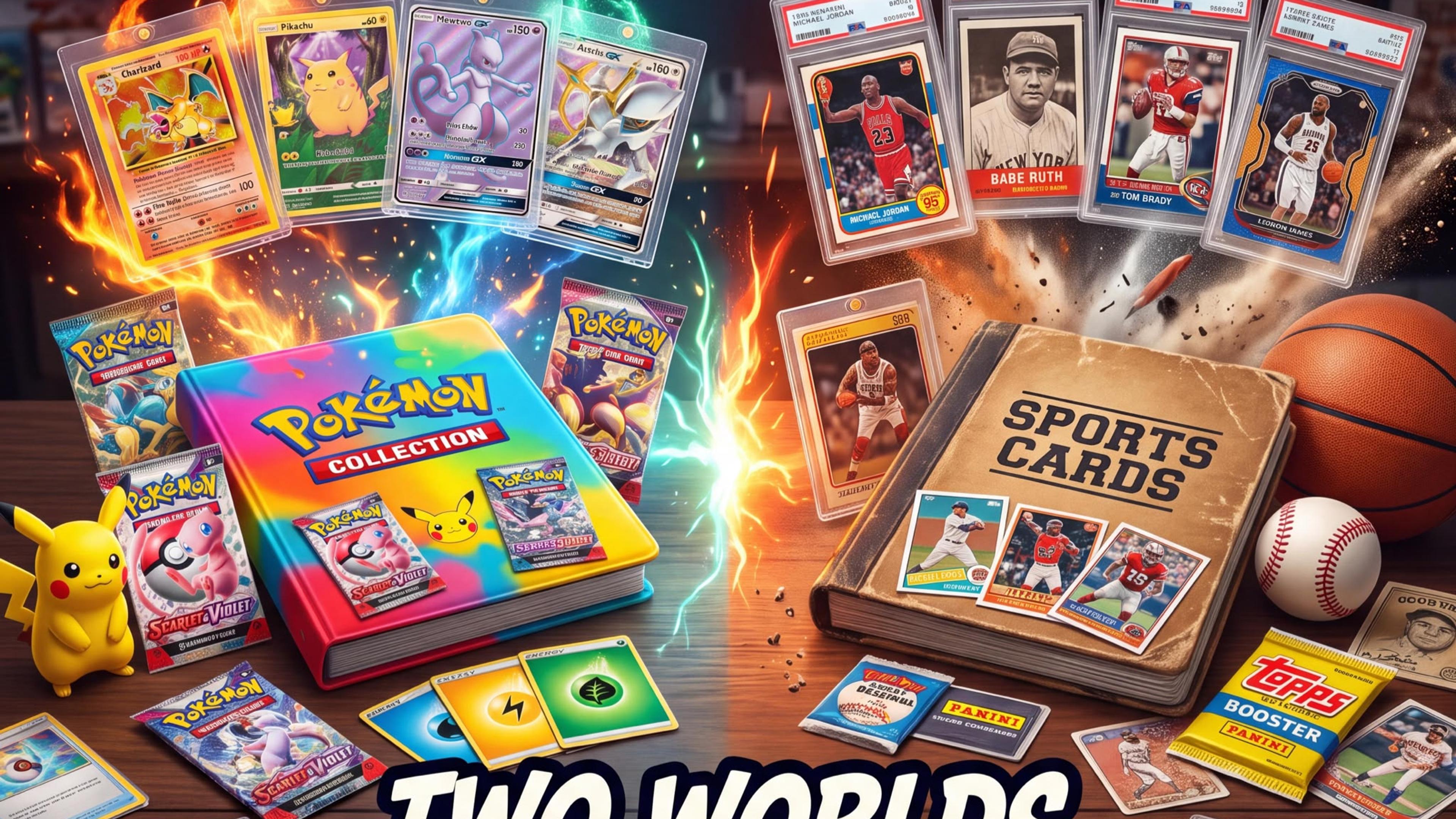
Sports Cards vs. Pokémon: Two Worlds, One Hobby
Rookie cards or rare Charizards? Discover what makes sports and Pokémon cards so addictive, from the thrill of the chase to the joy of finding your next grail.
20 October 2026
9 min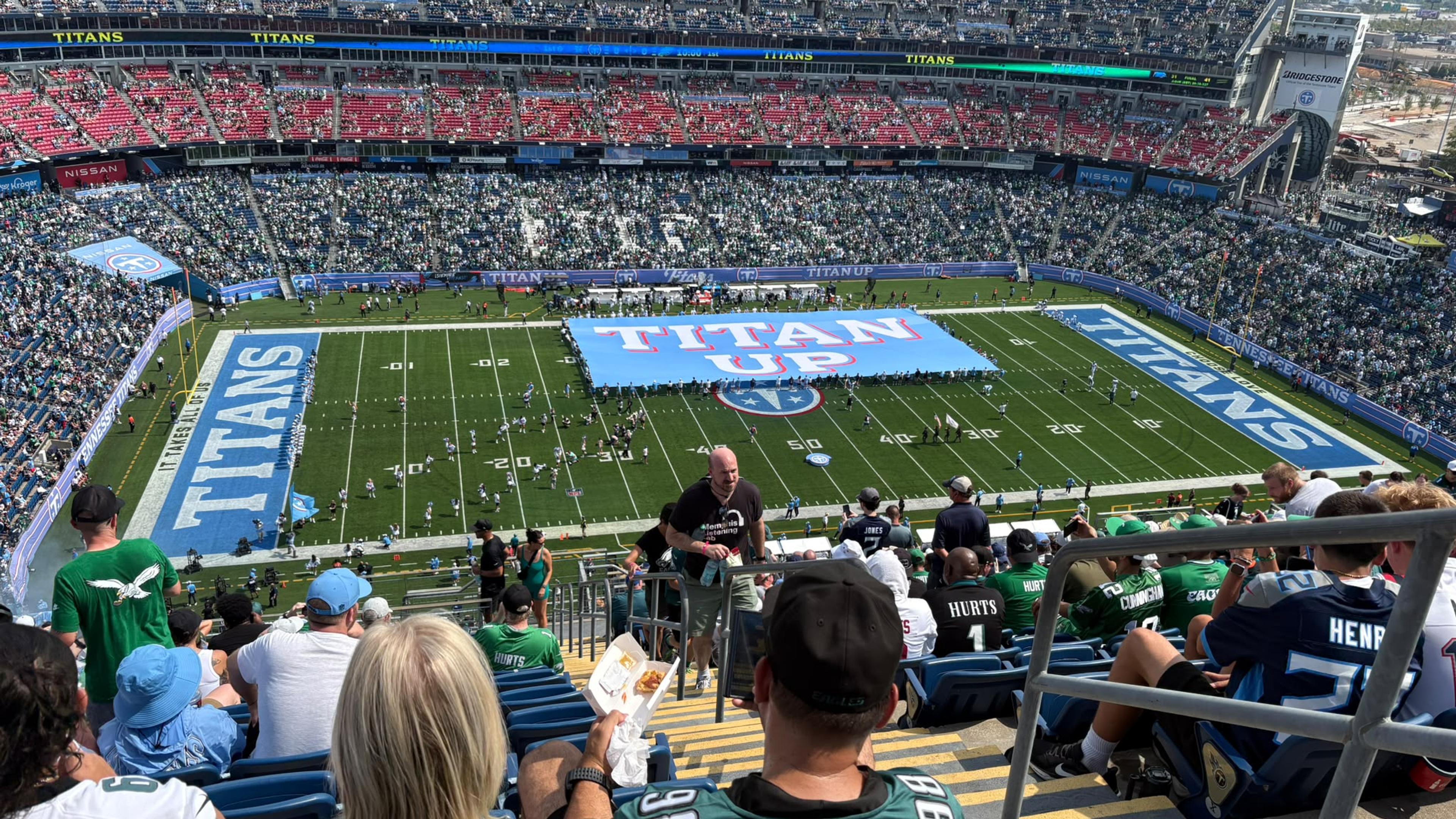
Cardboard & Cowboys: The V-dub Crew’s Epic Sports Card Road Trip
Cardboard & Cowboys
5 October 2026
5 min
Guide to Spotting Fake Cards
Guide to Spotting Fake Cards and Slabs
30 August 2026
5 minNever miss a drop
Sign up for our newsletter and be the first to hear about new drops, restocks and exclusive deals.
No spam, unsubscribe anytime.